Introduction: When Debt Doesn’t Hurt All at Once, but Slowly
Debt rarely destroys people overnight.
What it does instead is far more subtle—and far more dangerous.
It eats away at you slowly. Year after year. Month after month. Payment after payment. At first, it feels manageable. Then it becomes tiring. Eventually, it starts shaping your decisions, limiting your choices, and quietly draining your confidence.
Most people trapped in long-term debt are not irresponsible. They are simply stuck in a cycle they were never taught how to break.
This article is not about shame, fear, or unrealistic promises. It is about understanding why debt lingers for years and what practical, realistic steps you can take to finally stop the cycle—without destroying your life in the process.
The Silent Nature of Long-Term Debt
Debt that lasts for years doesn’t always look dramatic.
It often looks like:
- Minimum payments made on time
- Credit cards never fully paid off
- Loans refinanced instead of eliminated
- “We’ll handle it later” becoming permanent
Nothing explodes. Nothing collapses.
But progress stops.
And that is how debt slowly eats away at you—not loudly, but persistently.
Why Debt Becomes a Long-Term Cycle
Debt becomes cyclical when:
- Payments consume disposable income
- Interest prevents balances from shrinking
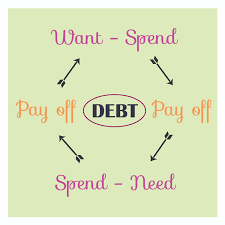
- New debt replaces old debt
- Emergencies rely on credit
Instead of moving forward, households begin running in place.
The problem is not effort.
The problem is structure.
Interest: The Quiet Thief of Time and Energy
Interest is what turns debt into a long-term burden.
High-interest debt:
- Rewards minimum payments
- Punishes slow repayment
- Extends timelines without warning
Many people pay faithfully for years—yet owe nearly the same amount they started with.
This creates frustration, fatigue, and eventually resignation.
Understanding interest is the first step toward escaping its grip.
The Emotional Cost of Long-Term Debt
Debt does not only affect money.
It affects:
- Sleep
- Relationships
- Confidence
- Decision-making
Over time, people stop dreaming. They stop planning. They stop believing change is possible.
Debt exhaustion is real—and dangerous.
Stopping the cycle means addressing emotional strain, not just numbers.
How “Normal” Spending Habits Sustain Debt
Most long-term debt cycles are not caused by big mistakes.
They are sustained by:
- Convenience spending
- Lifestyle creep
- Subscription overload
- Small indulgences without boundaries
Individually harmless. Collectively expensive.
Debt thrives in environments where spending is automatic and unexamined.
Why Raises and Extra Income Don’t Fix the Problem
Many people believe more income will solve debt.
Often, it doesn’t.
Without structural change:
- Raises disappear into higher expenses
- Bonuses vanish quickly
- Debt remains untouched
This is lifestyle inflation at work.
Income growth without discipline strengthens the cycle instead of breaking it.
The Role of Minimum Payments in Keeping You Stuck
Minimum payments are designed to:
- Keep accounts active
- Maximize interest collection
- Delay payoff
They provide relief, not resolution.
Paying only the minimum is like draining water with a spoon while the tap remains open.
Debt as a Coping Mechanism
For many, debt is not about numbers—it’s about survival.
Debt becomes a way to:
- Handle stress
- Cover emergencies
- Maintain normalcy
- Avoid difficult choices
Until the root causes are addressed, the cycle continues.
Stopping debt requires changing behavior under pressure.
The First Step: Facing the Full Picture
Debt loses power when it is fully seen.
This means:
- Listing every debt
- Knowing interest rates
- Understanding minimum payments
- Seeing total balances clearly
Avoidance feeds the cycle.
Clarity weakens it.
Creating a Reality-Based Budget (Not a Fantasy One)
Many budgets fail because they are too strict or unrealistic.
Effective budgets:
- Reflect real habits
- Allow breathing room
- Include mistakes
- Focus on progress, not perfection
A workable budget reduces reliance on credit.
Choosing a Debt Elimination Strategy
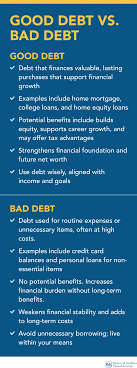
Two common approaches work well:
Debt Snowball
- Pay smallest balances first
- Builds momentum and confidence
Debt Avalanche
- Pay highest interest first
- Minimizes total cost
The best strategy is the one you will stick with.
Consistency matters more than math.
Why Emergency Funds Break Debt Cycles
Without emergency savings, debt becomes the default response to problems.
Even a small emergency fund:
- Reduces panic
- Prevents new debt
- Restores confidence
Savings protect progress.
They stop debt from creeping back in.
Learning to Delay Gratification Again
Long-term debt often erodes patience.
People get tired of waiting.
Rebuilding patience means:
- Pausing before purchases
- Separating desire from necessity
- Remembering long-term goals
Delay is not denial—it is direction.
Cutting Expenses Without Feeling Punished
Debt repayment should not feel like imprisonment.
Sustainable expense reduction:
- Targets leaks, not essentials
- Focuses on value, not deprivation
- Involves the whole household
A plan that feels punishing will not last.
The Danger of Debt Consolidation Without Change
Debt consolidation can help—but only if habits change.
Without discipline:
- Old balances return
- New debt replaces old
- The cycle resets
Consolidation is a tool, not a cure.
Saying No Without Guilt
Many debt cycles persist because of guilt-driven spending.
Learning to say no protects:
- Cash flow
- Mental health
- Long-term goals
Boundaries are not selfish.
They are necessary.
When to Seek Outside Help
Debt does not require suffering in silence.
Help may include:
- Credit counseling
- Financial coaching
- Negotiating interest rates
- Structured repayment plans
Early help prevents deeper damage.
The CEO Mindset: Systems Over Willpower
Executives don’t rely on motivation alone.
They build systems.
In a household, this means:
- Automated payments
- Clear rules
- Regular reviews
- Built-in buffers
Systems outlast emotions.
Replacing Debt With Stability, Slowly
Breaking the cycle does not happen instantly.
Progress looks like:
- Smaller balances
- Fewer payments
- Less stress
- More control
Momentum builds quietly.
What Happens When the Cycle Finally Breaks
When debt stops controlling your life:
- Choices expand
- Stress decreases
- Planning becomes possible again
Freedom doesn’t arrive suddenly.
It returns gradually.
Preventing the Cycle from Returning
Once debt is under control:
- Maintain emergency savings
- Avoid lifestyle inflation
- Review finances regularly
Debt freedom requires maintenance.
Teaching the Next Generation
Children learn money behavior by observation.
Breaking your cycle:
- Protects your future
- Improves theirs
Financial peace is inherited through habits.
Long-Term Thinking Is the Real Escape
Short-term comfort feeds debt.
Long-term thinking breaks it.
Ask:
- How will this feel next year?
- Does this move me closer to peace?
Time becomes an ally when thinking changes.
Final Thoughts: Debt Doesn’t Define You — But It Can Control You
Debt can eat away at you over the years—but only if it remains unchallenged.
You are not broken.
Your situation is not permanent.
And the cycle is not unbreakable.
Stopping long-term debt is not about perfection or punishment.
It is about:
- Awareness
- Structure
- Patience
- Consistency
Every extra payment weakens the cycle.
Every informed decision restores control.
Debt loses power the moment you decide to face it—calmly, clearly, and with a plan.
You don’t need to win overnight.
You just need to stop losing slowly.
And that is entirely possible.
Over abundance of debt can totally creep up from out of nowhere for many people and when that does occur it can often times be very overwhelming for many. It is so very important for everyone to keep in mind how very important it is to always try and steer clear from too many unwanted debts because all that leads to is stress, stress and more stress, which far too many of us know a little bit about, or maybe even a whole lot about.
If your debt condition is currently driving you up the wall then you already know how devastating it can turn out to be, so make sure even you continue to read throughout this article because you might find it to be very helpful, as well as beneficial to you. Your debt responsibilities will become a priority and you will finally have the opportunity to get yourself and your financial standing on the path that it should be, which is where most of us only dream of ever having it.
It is your responsibility as an adult to start thinking more about the future of yourself and the future of your children as well, which I am certain most of you already have given thought to. Finding out more about the importance of debt relief will change the way you live your life each and everyday that passes. You will be much more conscious about the different things you are spending your money on, as well as the amount of money you are trying to save each month, if any at all.
Your money should be very helpful to you but if you constantly are finding out that your money seems to be going nowhere except to pay off your monthly debt, whenever you are able to, then perhaps something within your budget could need some improvement, just a little bit. I am hoping that by gathering up enough debt information you will be able to finally get your finances under some sort of control and stop increasing your debt each month.
Debt can be controlled by just making a few small changes in your lifestyle each month and I am not at all talking about anything major that would affect your entertainment each month or fun times with friends. Just slow down and pay closer attention to what is coming out of your wallet and if you can continue this type of responsible behavior over a period of time then you will definitely begin noticing slight changes in the amount of extra money you have each month.
If all else fails, talk to a professional about your current debt condition and there is surely to goodness somebody out there more experienced and knowledgeable than you are, who could really help to turn your world around, by providing you with the same knowledge that they are aware of because of studying it over a period of time throughout life. This knowledge can be a lifesaver and can really brighten the outlook of your future, as well as your children’s and grandchildren’s future. Good luck.

Tinggalkan Balasan